The world's leading consumer goods fair, Ambiente, has long been the compass for home décor enthusiasts, designers, and industry professionals seeking to understand where interior design is headed. As the 2026 edition unfolds, several distinctive trends are emerging that promise to reshape how we think about our living spaces, with particular relevance for Indian homeowners balancing tradition with modernity.
Sustainability Takes Center Stage
Environmental consciousness has moved from a niche concern to a mainstream priority in home décor. The 2026 fair highlights materials that minimize ecological impact while maximizing aesthetic appeal. Bamboo, reclaimed wood, and recycled metals are being transformed into stunning furniture pieces and decorative elements that don't compromise on style.
Indian manufacturers are particularly well-positioned to capitalize on this trend, given the country's rich heritage of sustainable craftsmanship. Jute, terracotta, and naturally dyed textiles are finding new expressions that appeal to contemporary sensibilities while honoring traditional techniques.
Biophilic Design Goes Mainstream
The integration of natural elements into indoor spaces continues to gain momentum. Beyond simple houseplants, designers are incorporating living walls, natural stone features, and water elements that bring the outdoors inside. This trend resonates deeply with Indian architectural traditions that have long emphasized harmony between built environments and nature.
Key elements of this trend include:
- Maximizing natural light through strategic window placement and reflective surfaces
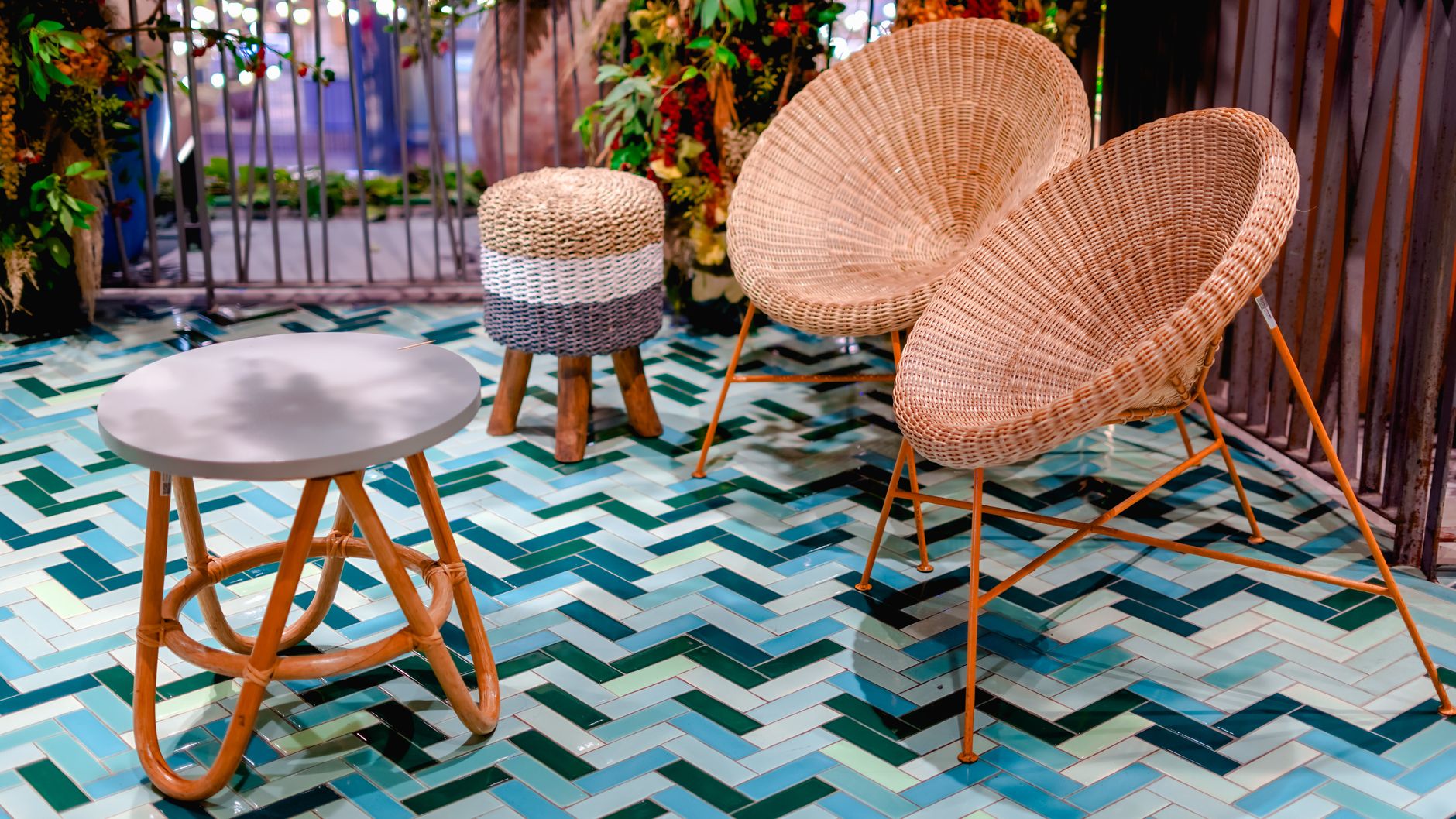
- Using natural textures like rattan, cane, and seagrass in furniture
- Incorporating organic shapes that mimic forms found in nature
- Creating dedicated green spaces within homes, even in compact urban apartments
Smart Home Integration Without the Clutter
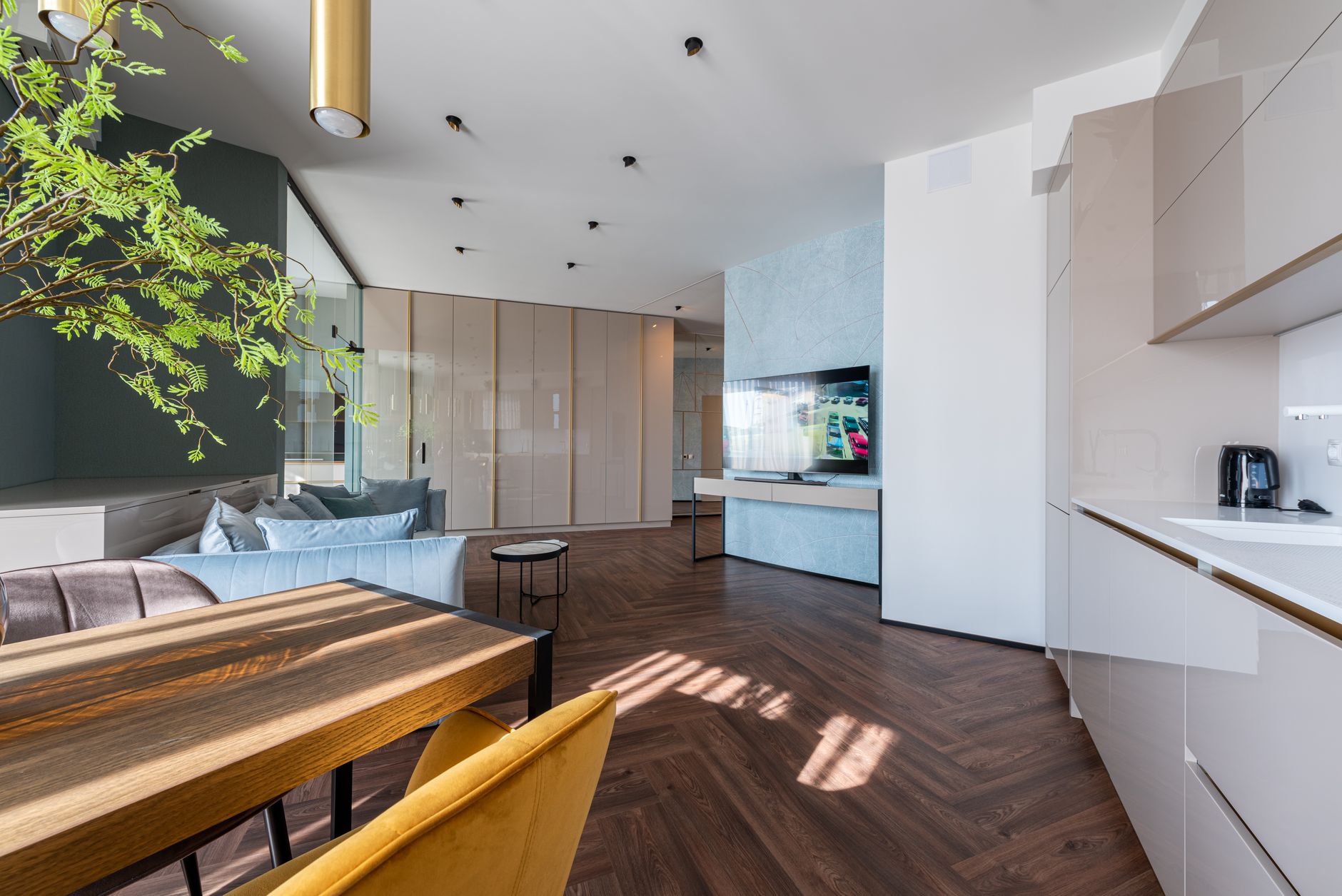
Technology integration in home décor has matured beyond visible gadgets and wires. The focus now is on seamless incorporation where smart features enhance functionality without disrupting aesthetic coherence. Voice-activated lighting, temperature control, and entertainment systems are being designed to disappear into the décor rather than dominate it.
For Indian homes, this means solutions that work with existing architectural styles, from traditional haveli-inspired designs to contemporary minimalist apartments. The key is choosing technology that serves the space rather than defining it.
Maximalism Makes a Confident Return
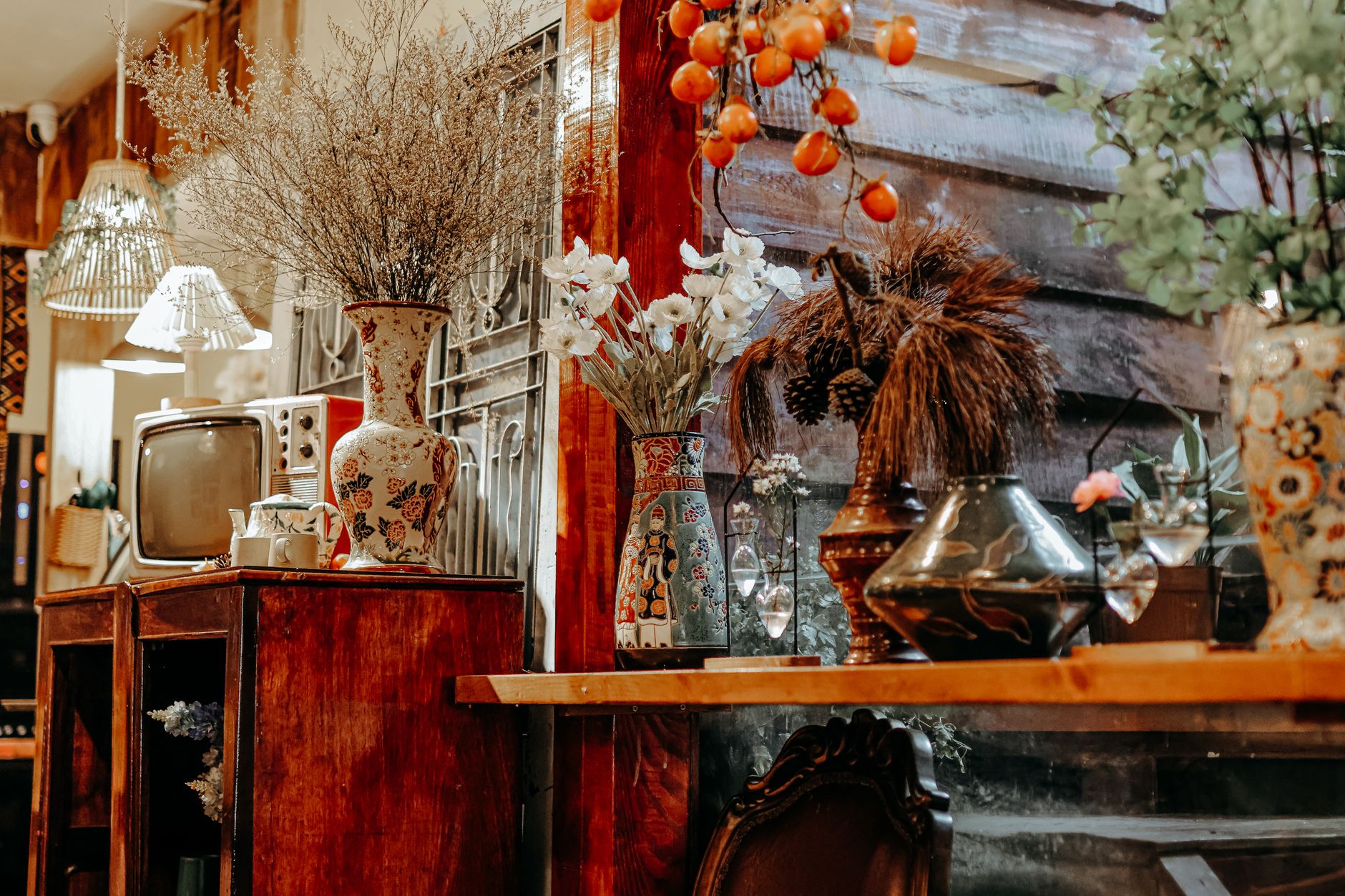
After years of minimalist dominance, bold colors, layered textures, and eclectic mixing are making a strong comeback. This trend celebrates personality and individual expression, encouraging homeowners to curate spaces that tell their unique stories. For Indian households, this provides permission to embrace the color and vibrancy that feels culturally authentic rather than apologizing for it.
The new maximalism isn't about chaos—it's about intentional curation. Mix traditional Indian textiles with contemporary furniture, combine family heirlooms with modern art, and don't shy away from bold color combinations that reflect personal taste.
Multifunctional Spaces and Adaptive Furniture
As homes continue to serve multiple purposes—workspace, school, gym, and sanctuary—furniture that adapts to different needs becomes essential. Ambiente 2026 showcases innovative solutions including modular seating systems, tables that transform for different uses, and storage solutions that maintain aesthetic appeal while maximizing functionality.
This trend is particularly relevant for Indian urban homes where space comes at a premium. Furniture that can transition from dining to work mode, or storage that doubles as room dividers, helps maximize every square foot.
Artisan Collaboration and Handcrafted Details
There's growing appreciation for pieces that showcase human craftsmanship and tell stories of maker communities. Machine production hasn't disappeared, but there's increased value placed on handmade elements, visible imperfections, and traditional techniques applied in contemporary contexts.
Indian artisans have a significant opportunity here, as global markets increasingly value the hand-block printing, inlay work, and weaving traditions that India has preserved for generations.
Wellness-Centered Design
Creating spaces that actively support mental and physical wellbeing has emerged as a priority. This encompasses everything from ergonomic furniture and air-purifying materials to lighting designed around circadian rhythms and acoustics that reduce stress.
Indian design traditions, with concepts like vastu shastra emphasizing spatial harmony, align naturally with this global shift toward wellness-focused interiors.
The trends emerging from Ambiente 2026 offer exciting possibilities for Indian homeowners looking to refresh their spaces. The key is adapting global innovations to local contexts, creating homes that are simultaneously contemporary and rooted in the cultural and climatic realities of Indian living.