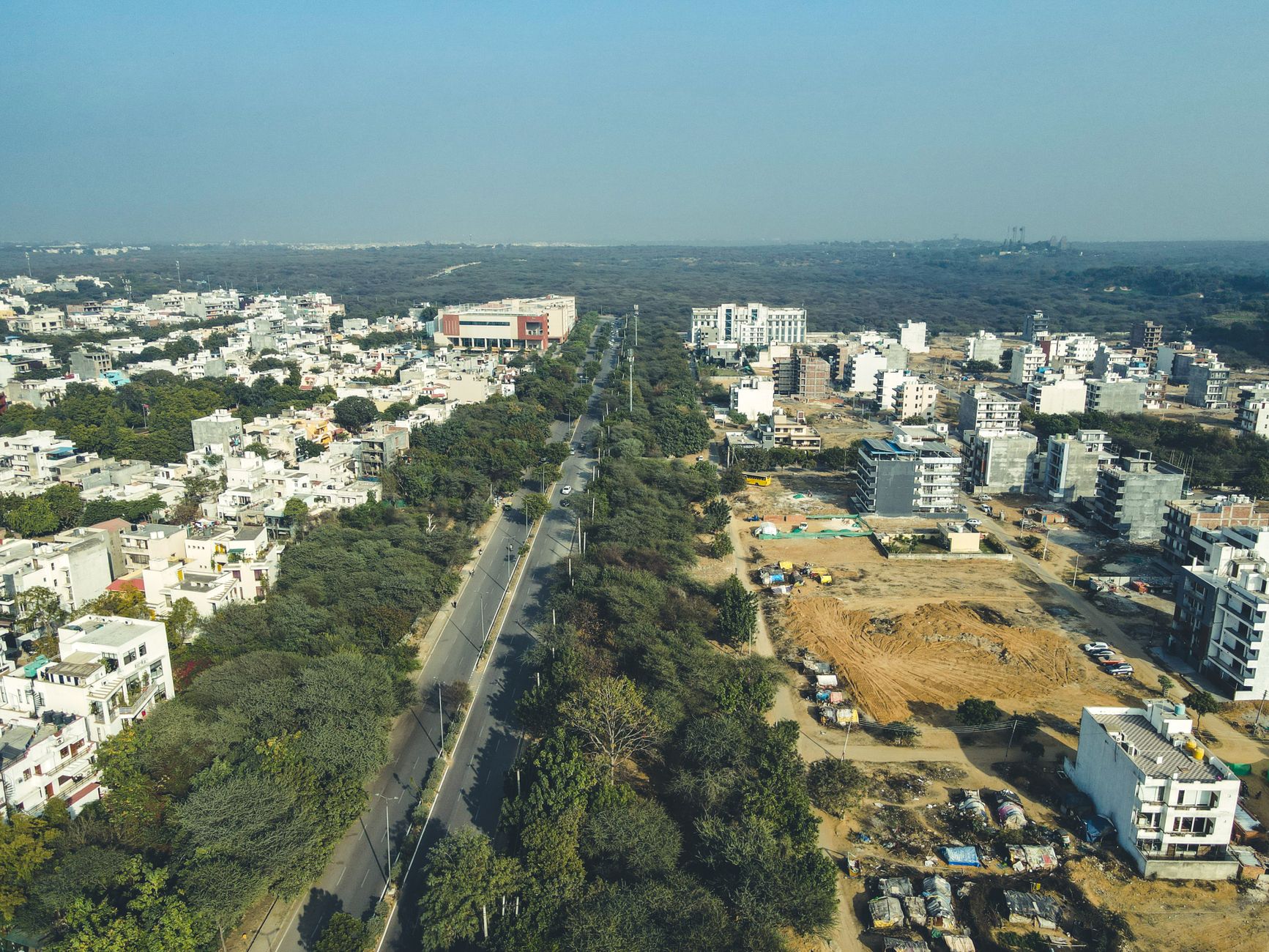
India's residential real estate market continues to evolve rapidly, with the first quarter of 2026 bringing notable shifts in buyer behavior, pricing trends, and supply dynamics across major cities. Understanding these patterns is essential for anyone looking to buy, sell, or invest in residential property.
Price Movements Across Tier-I Cities
The opening months of 2026 have seen varied price trajectories across India's major metropolitan areas. While some cities continue their upward march, others are experiencing moderation after years of consistent growth. Mumbai and Bengaluru typically lead price appreciation due to sustained demand from IT professionals and limited land availability. Delhi-NCR markets often show more segmented behavior, with certain micro-markets outperforming others based on infrastructure development and connectivity improvements.
Tier-II cities have emerged as significant players, offering better affordability and improved quality of life. Cities like Pune, Hyderabad, and Ahmedabad continue attracting both end-users and investors seeking better value propositions compared to traditional metro markets.
Supply and Inventory Patterns
Developers have become increasingly cautious about launching new projects, focusing instead on completing existing inventory. This shift reflects lessons learned from previous cycles where excess unsold stock created financial strain. The emphasis has moved toward:
- Projects with clear demand visibility in established locations
- Mid-segment housing that caters to the largest buyer base
- Developments with ready or near-ready possession timelines
- Integrated townships offering comprehensive amenities
The government's focus on affordable housing continues to influence supply, though the definition of "affordable" varies significantly across cities based on local income levels and property prices.
Changing Buyer Preferences
Post-pandemic preferences continue to shape residential demand. Homebuyers increasingly prioritize larger living spaces, dedicated work-from-home areas, and proximity to quality healthcare and educational institutions. The importance of outdoor spaces, ventilation, and natural light has gained prominence in purchase decisions.
The rental versus ownership equation is also being reassessed, particularly among younger professionals in expensive cities. However, ownership remains culturally significant for most Indian families, viewed as both a wealth-creation tool and a security measure.
Financing and Affordability Factors
Interest rates play a crucial role in residential demand, directly impacting EMI affordability. Even marginal changes in lending rates can significantly influence buyer sentiment and purchasing power. The Reserve Bank of India's monetary policy decisions therefore have immediate ripple effects on the housing market.
Home loan penetration continues to deepen, with lenders offering competitive rates and longer tenure options to expand their customer base. Digital lending platforms have simplified the application process, though traditional banks remain dominant in the home finance segment.
Investment Perspective
From an investment standpoint, residential real estate in early 2026 presents a mixed picture. While rental yields in most Indian cities remain relatively modest compared to other asset classes, capital appreciation potential varies significantly by location and property type.
Investors are increasingly differentiating between:
- Properties for capital appreciation in high-growth corridors
- Rental income-generating assets in established areas with consistent demand
- Affordable housing that benefits from government incentives
- Premium properties in prime locations with limited supply
Regional Infrastructure Impact
Infrastructure development continues to be a primary driver of residential demand and pricing. Metro rail expansions, new expressways, airport connectivity, and commercial hub development create immediate impact on surrounding residential markets. Anticipating infrastructure timelines and understanding actual versus speculative growth becomes crucial for making informed decisions.
Looking Ahead
The residential market's trajectory through 2026 will likely depend on broader economic growth, job creation in key sectors, and policy stability. The government's continued focus on housing for all, coupled with urbanization trends, provides structural support to residential demand.
However, affordability challenges persist in major cities, where property prices have outpaced income growth for many potential buyers. This gap will likely continue influencing market dynamics, potentially leading to more innovation in housing finance and product offerings.
For potential homebuyers, the perennial question of timing remains complex. While attempting to time the market perfectly is difficult, focusing on genuine housing needs, financial readiness, and long-term value rather than short-term price movements generally leads to better outcomes.
This article provides general information about residential real estate trends and should not be considered as investment advice. Property purchase decisions should be made after thorough due diligence, professional consultation, and careful assessment of individual financial circumstances and objectives.