In an era where food safety concerns are paramount, many Indian households are seeking effective ways to remove pesticide residues from store-bought vegetables. A natural cleaning method using two common kitchen ingredients—baking soda and vinegar—has emerged as a practical solution that takes just five minutes.
Understanding Pesticide Residues on Vegetables
Pesticides are widely used in commercial farming to protect crops from insects, weeds, and diseases. While these chemicals help increase agricultural yields, residues often remain on the surface of fruits and vegetables even after they reach our kitchens. Studies have shown that regular water washing alone may not be sufficient to remove all pesticide traces, making additional cleaning methods necessary for concerned consumers.
The Indian Council of Agricultural Research has previously noted that pesticide residues on produce can vary depending on farming practices, the type of chemicals used, and the time elapsed between application and harvest. This makes proper washing techniques an essential part of food preparation in modern households.
The Baking Soda and Vinegar Method
This five-minute washing formula combines two mild acids and bases that work synergistically to break down pesticide residues without damaging the vegetables themselves.
The basic process involves:
- Fill a large bowl with clean water
- Add two tablespoons of baking soda per litre of water
- Add one tablespoon of white vinegar per litre of water
- Submerge vegetables in this solution for 3-5 minutes
- Gently agitate or swirl the vegetables during soaking
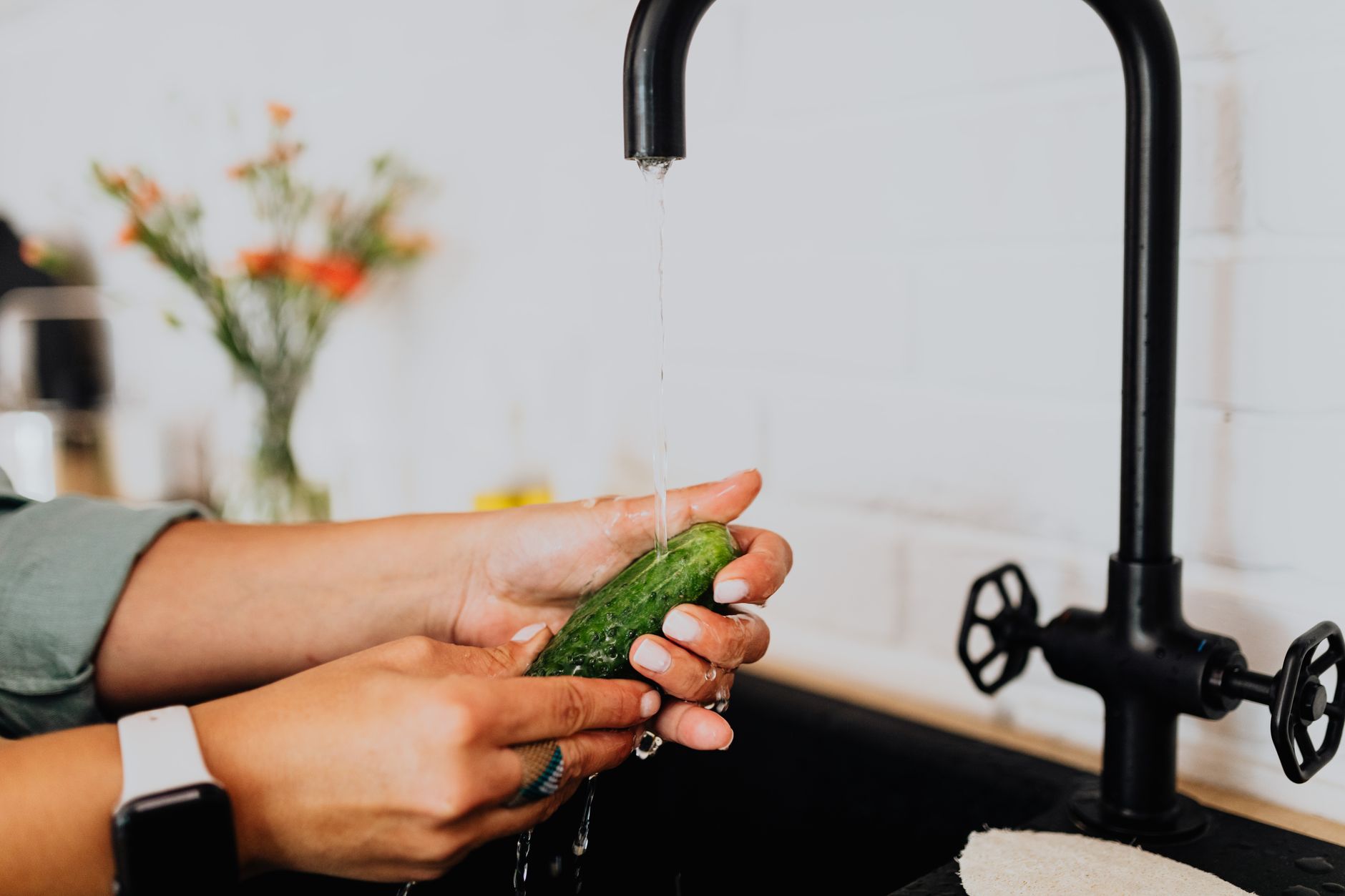
- Rinse thoroughly under running water
- Pat dry with a clean cloth or paper towel
Why This Combination Works
Baking soda (sodium bicarbonate) is mildly alkaline, which helps break down certain pesticide compounds that are acidic in nature. Research has indicated that alkaline solutions can be more effective than plain water at removing surface pesticide residues.
Vinegar (acetic acid) contributes its own cleaning power and helps eliminate bacteria and some fungal spores that might be present on vegetable surfaces. When combined with baking soda, there's a brief fizzing reaction that creates carbon dioxide bubbles, which can help lift dirt and residue particles from the vegetable surface.
The combination also works mechanically—the bubbling action helps dislodge particles trapped in the crevices of vegetables like broccoli, cauliflower, and leafy greens.
Vegetables That Benefit Most
Certain vegetables benefit more from this washing method than others:
- Leafy greens like spinach, lettuce, and cabbage
- Cruciferous vegetables such as broccoli and cauliflower
- Root vegetables including carrots, radishes, and potatoes
- Vegetables with textured surfaces like tomatoes and bell peppers
- Fruits with edible skins such as apples and grapes
For smooth-skinned vegetables like cucumbers and eggplants, gentle scrubbing with a soft brush while submerged in the solution can enhance effectiveness.
Additional Benefits Beyond Pesticide Removal
This washing method offers multiple advantages beyond removing pesticide residues. It helps eliminate:
- Soil and dirt particles
- Bacteria like E. coli and Salmonella
- Wax coatings applied to some produce
- General surface contaminants from handling and transport
Precautions and Best Practices
While this method is generally safe and effective, keep these points in mind:
Do not soak vegetables for longer than recommended, as extended exposure to the solution may affect texture and nutritional content. Delicate vegetables like mushrooms and berries require gentler handling—use a shorter soaking time or simply rinse them in the solution without prolonged submersion.
Always rinse vegetables thoroughly after the baking soda-vinegar treatment to ensure no residual taste remains. Some vegetables may absorb flavours if not rinsed properly.
Use this method just before cooking or consuming vegetables, not for long-term storage, as the moisture can promote spoilage.
Cost-Effectiveness and Accessibility
Both baking soda and white vinegar are inexpensive, readily available ingredients in Indian households. A 500-gram pack of baking soda and a bottle of vinegar can last months, making this cleaning method highly economical compared to commercial vegetable wash products.
This natural approach aligns with the growing preference for chemical-free solutions in food preparation, giving home cooks greater control over what their families consume.
This article is for general informational purposes only. While the baking soda and vinegar method can help reduce surface pesticide residues, it may not eliminate all contaminants. For specific health concerns or questions about pesticide exposure, consult with a qualified healthcare professional or food safety expert.