The culture of fixing things yourself is experiencing a remarkable renaissance in India. What was once a necessity born of limited access to professional services has evolved into a deliberate lifestyle choice for millions of urban and suburban homeowners. The DIY repair movement represents more than just cost savings—it embodies self-reliance, sustainability, and the satisfaction of mastering new skills.
The Rising Popularity of DIY Repairs in India
Indian households are increasingly turning to YouTube tutorials, online forums, and hardware store workshops to learn basic repair skills. From fixing leaky taps to rewiring light fixtures, homeowners are discovering that many common repairs don't require professional intervention. This shift is particularly pronounced among millennials and Gen Z homeowners who grew up with instant access to information and instructional content.
The COVID-19 lockdowns accelerated this trend significantly. With restricted access to maintenance workers and plumbers, families had no choice but to attempt repairs themselves. Many discovered not only that they could successfully complete these tasks, but also that they enjoyed the process. This hands-on experience built confidence that has persisted even as professional services have become readily available again.
Financial Benefits That Add Up
The economics of DIY repairs are compelling. Professional service calls often come with minimum charges that can range from Rs 500 to Rs 2,000 before any actual work begins. For simple tasks like replacing a tap washer, unclogging a drain, or fixing a running toilet, the markup on professional services can be substantial.
Consider a basic example: replacing a faulty door handle might cost Rs 1,500-2,000 when hiring a carpenter, but the same repair costs just Rs 300-500 in materials if done yourself. Over the course of a year, a household that tackles even four or five such repairs can save Rs 10,000-15,000 or more. These savings compound significantly over time, particularly for homeowners who maintain older properties that require regular attention.
Essential Tools Every Homeowner Should Own
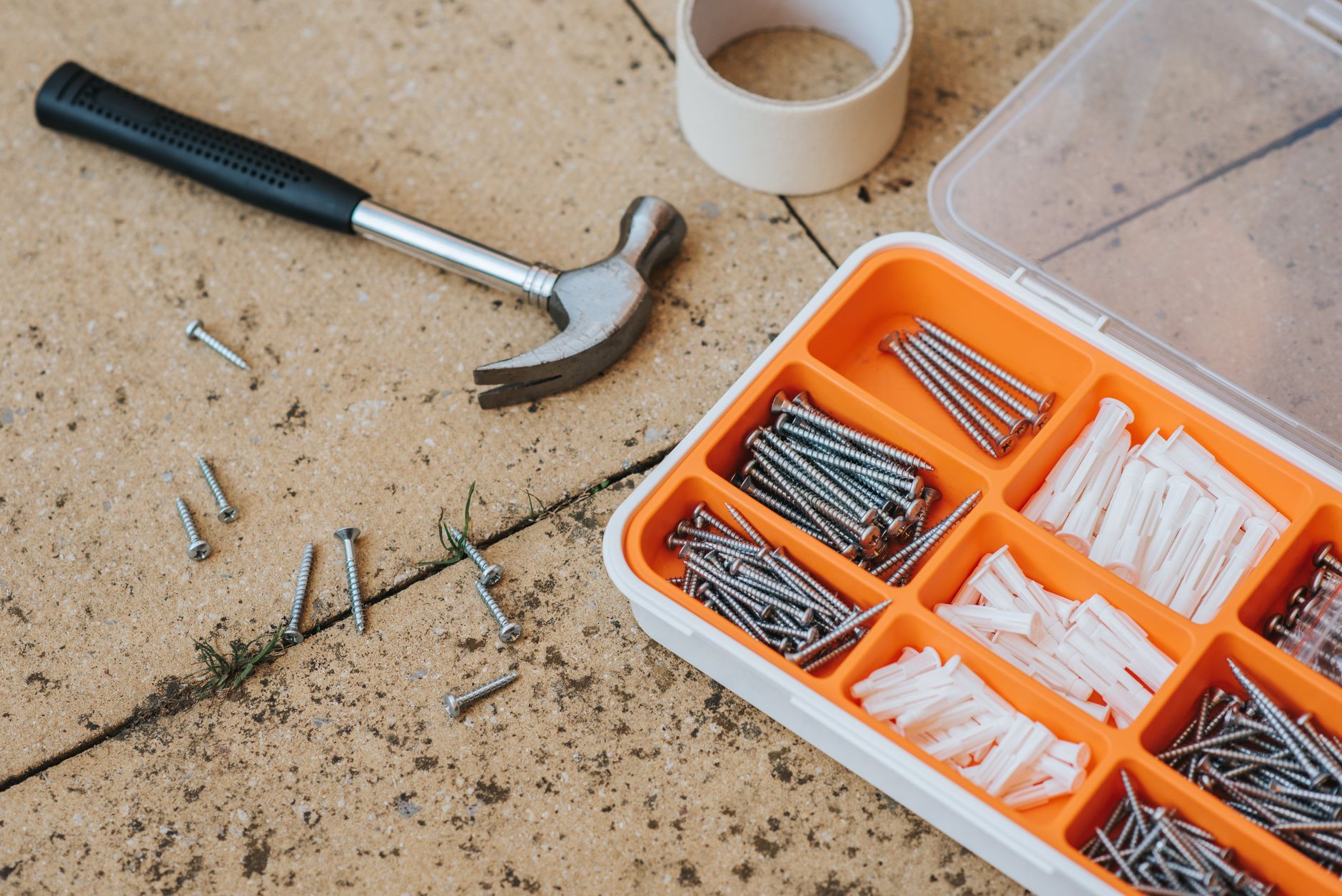
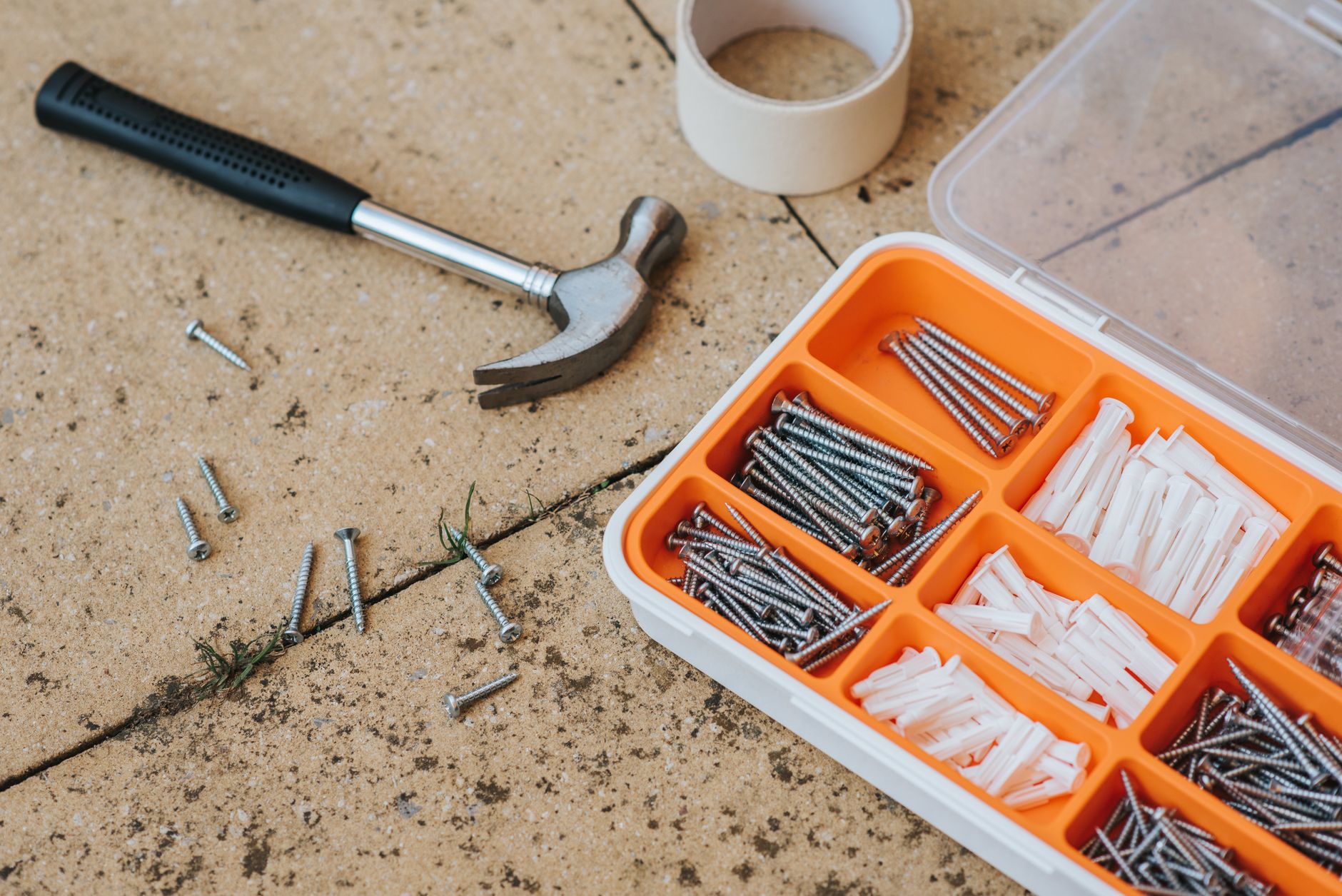
Building a basic toolkit is the first step toward DIY competence. Essential items include a cordless drill with various bits, a hammer, screwdrivers (both flathead and Phillips), an adjustable wrench, pliers, a measuring tape, and a utility knife. Indian hardware stores now offer starter tool kits ranging from Rs 2,000-5,000 that cover most basic needs.
Beyond basic hand tools, items like a plunger, pipe wrench, voltage tester, and stud finder prove invaluable for common household repairs. While the initial investment might seem substantial, quality tools last for decades and pay for themselves after just a few uses.
Common Repairs Perfect for Beginners
Certain repairs serve as excellent entry points for DIY novices. Unclogging drains, replacing tap washers, fixing running toilets, and patching small wall holes require minimal tools and carry low risk of causing damage. These projects build confidence while delivering immediate, visible results.
Electrical work deserves special mention. While replacing light switches and fixtures is within reach for careful DIYers who follow safety protocols, any work involving the main electrical panel should always be left to licensed electricians. The same principle applies to structural modifications or gas line work—some tasks genuinely require professional expertise and certification.
Learning Resources at Your Fingertips
The availability of learning resources has democratized home repair knowledge. YouTube channels dedicated to home improvement attract millions of Indian viewers, offering step-by-step guidance in multiple languages. Platforms like HomeTriangle and UrbanClap, while primarily service marketplaces, also provide educational content about common repairs.
Hardware stores like D-Mart Ready, BuildNext, and local establishments increasingly offer weekend workshops where customers can learn basic skills. These hands-on sessions cover everything from basic plumbing to tile installation, often free or at nominal cost.
Environmental and Emotional Rewards
Beyond money, DIY repairs contribute to sustainability. Fixing items instead of replacing them reduces waste and extends product lifecycles. This resonates strongly with environmentally conscious homeowners seeking to minimize their ecological footprint.
Perhaps most importantly, there's genuine satisfaction in solving problems with your own hands. Successfully completing a repair builds self-confidence and creates a sense of accomplishment that transcends the monetary value. Many DIY enthusiasts report that their hobby becomes a form of stress relief and creative expression.
When to Call the Professionals
Understanding limitations remains crucial. Complex plumbing that requires breaking walls, major electrical work, structural repairs, and anything involving safety systems like gas lines should always involve licensed professionals. Attempting repairs beyond your skill level can create dangerous situations and ultimately cost more when professionals must fix both the original problem and DIY damage.
This article is for general informational purposes only. Always assess your skill level honestly before attempting repairs, follow safety guidelines, and consult professionals when uncertain about any repair project.