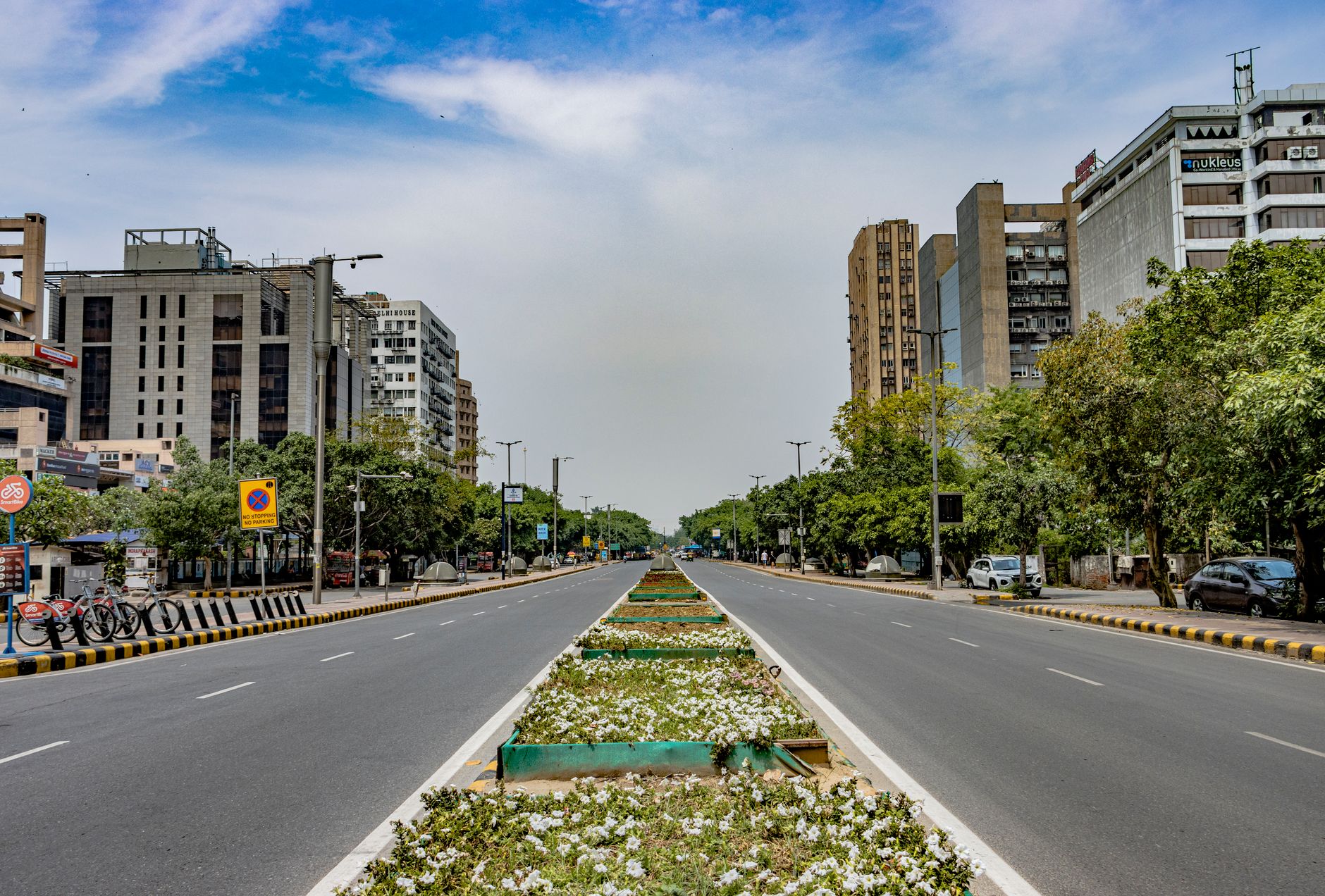
India's commercial real estate market is entering a dynamic phase as we approach the second half of 2026, with multiple factors converging to reshape demand patterns and investment strategies. From hybrid work models to technology-driven infrastructure, the sector is witnessing a fundamental shift that promises both challenges and opportunities for stakeholders.
The Post-Pandemic Office Evolution
The commercial office segment continues to adapt to post-pandemic realities. While initial predictions suggested a collapse in office space demand, the opposite has materialized. Companies are redesigning workspaces to accommodate hybrid models, leading to increased per-employee space requirements. Modern offices now incorporate collaborative zones, wellness areas, and technology-enabled meeting rooms, driving quality upgrades rather than downsizing.
Grade A office spaces in cities like Bangalore, Hyderabad, and Pune remain highly sought after, with technology companies, global capability centers, and professional services firms leading absorption. The focus has shifted from purely cost-driven decisions to employee experience, sustainability credentials, and strategic location advantages.
Tier-2 Cities Emerge as Investment Hotspots
A significant trend shaping the second half of 2026 is the growing prominence of tier-2 cities in commercial real estate investment. Cities like Coimbatore, Jaipur, Ahmedabad, Chandigarh, and Kochi are witnessing increased interest from both occupiers and investors. Lower operational costs, improving infrastructure, available talent pools, and government incentives make these markets attractive alternatives to saturated tier-1 metros.
This geographical diversification is particularly evident in the industrial and logistics segments, where tier-2 locations offer strategic connectivity advantages for supply chain optimization. The expansion of expressways, dedicated freight corridors, and improved last-mile connectivity have unlocked significant value in previously overlooked markets.
Technology and Sustainability Integration
Smart building technologies and green certifications have transitioned from premium features to baseline expectations. Properties equipped with IoT-enabled systems for energy management, air quality monitoring, and occupancy optimization command premium rentals and attract quality tenants. The integration of artificial intelligence for building management systems is improving operational efficiency while reducing carbon footprints.
Sustainability credentials now directly impact asset valuations. Buildings with LEED, GRIHA, or similar green certifications demonstrate better long-term value retention and attract ESG-focused institutional investors. Solar installations, water recycling systems, and energy-efficient HVAC systems are becoming standard features in new developments.
Investment Patterns and Capital Flows
Foreign institutional investment continues to flow into Indian commercial real estate, attracted by stable yields, professional property management, and strong economic fundamentals. Real Estate Investment Trusts (REITs) have matured as an investment avenue, providing retail investors access to institutional-grade commercial assets while offering developers an alternative exit strategy.
Private equity funds are increasingly targeting platform deals, partnering with developers for multi-city portfolios rather than single-asset transactions. This approach provides scale, diversification, and professional management advantages. The warehousing and industrial segment attracts particular attention, driven by e-commerce growth and supply chain restructuring.
Sector-Specific Demand Dynamics
Different commercial segments are experiencing varied growth trajectories:
- Co-working spaces continue evolving, with operators focusing on profitability over expansion, leading to consolidation and quality improvements
- Retail real estate is rebounding in prime locations, though the format is shifting toward experiential and entertainment-focused developments
- Healthcare real estate is emerging as a distinct asset class, attracting dedicated investment for hospitals, diagnostic centers, and medical office buildings
- Data centers and logistics warehousing are experiencing unprecedented demand, driven by digital transformation and e-commerce penetration
Regulatory Environment and Policy Impact
Government initiatives continue shaping market dynamics. The implementation of single-window clearance systems, transparent RERA regulations, and infrastructure status for data centers positively impact investor sentiment. The production-linked incentive schemes across various manufacturing sectors are generating demand for industrial real estate, particularly near emerging manufacturing clusters.
Tax incentives for affordable housing and commercial developments in certain regions influence investment decisions. However, developers and investors must navigate varying state-level policies and regulatory frameworks that can impact project timelines and returns.
Challenges and Risk Factors
Despite positive momentum, certain challenges persist. Construction cost inflation, driven by material prices and skilled labor shortages, pressures project viability. Interest rate fluctuations impact borrowing costs for both developers and investors. Oversupply concerns in certain micro-markets require careful due diligence before committing capital.
The commercial real estate market in India's second half of 2026 presents a landscape of opportunity balanced with complexity. Successful navigation requires understanding localized demand drivers, embracing technology and sustainability, and maintaining financial discipline in investment decisions.
This article is intended for general informational purposes only and should not be construed as investment advice. Readers should conduct thorough due diligence and consult qualified real estate and financial advisors before making any commercial real estate investment decisions.