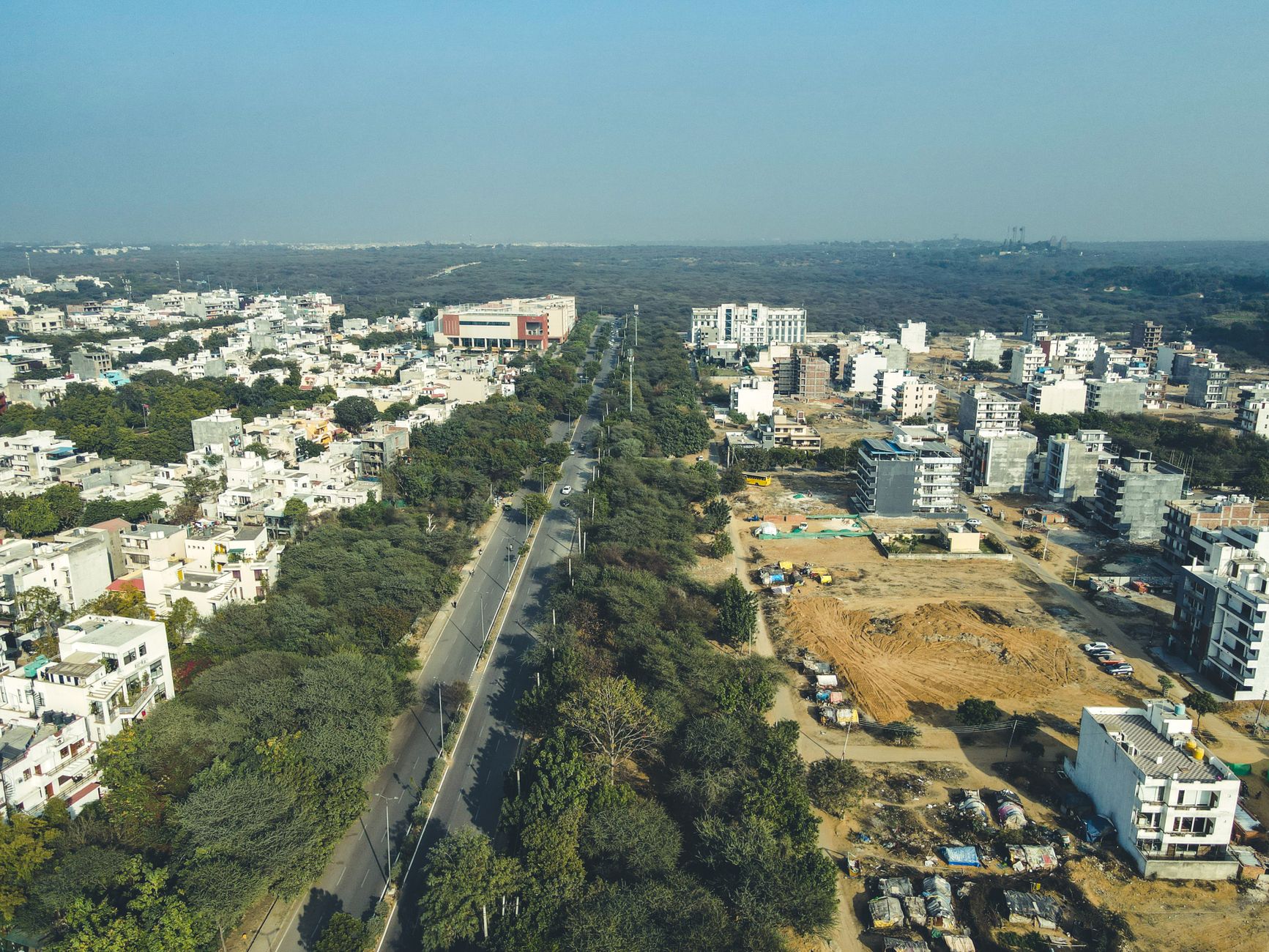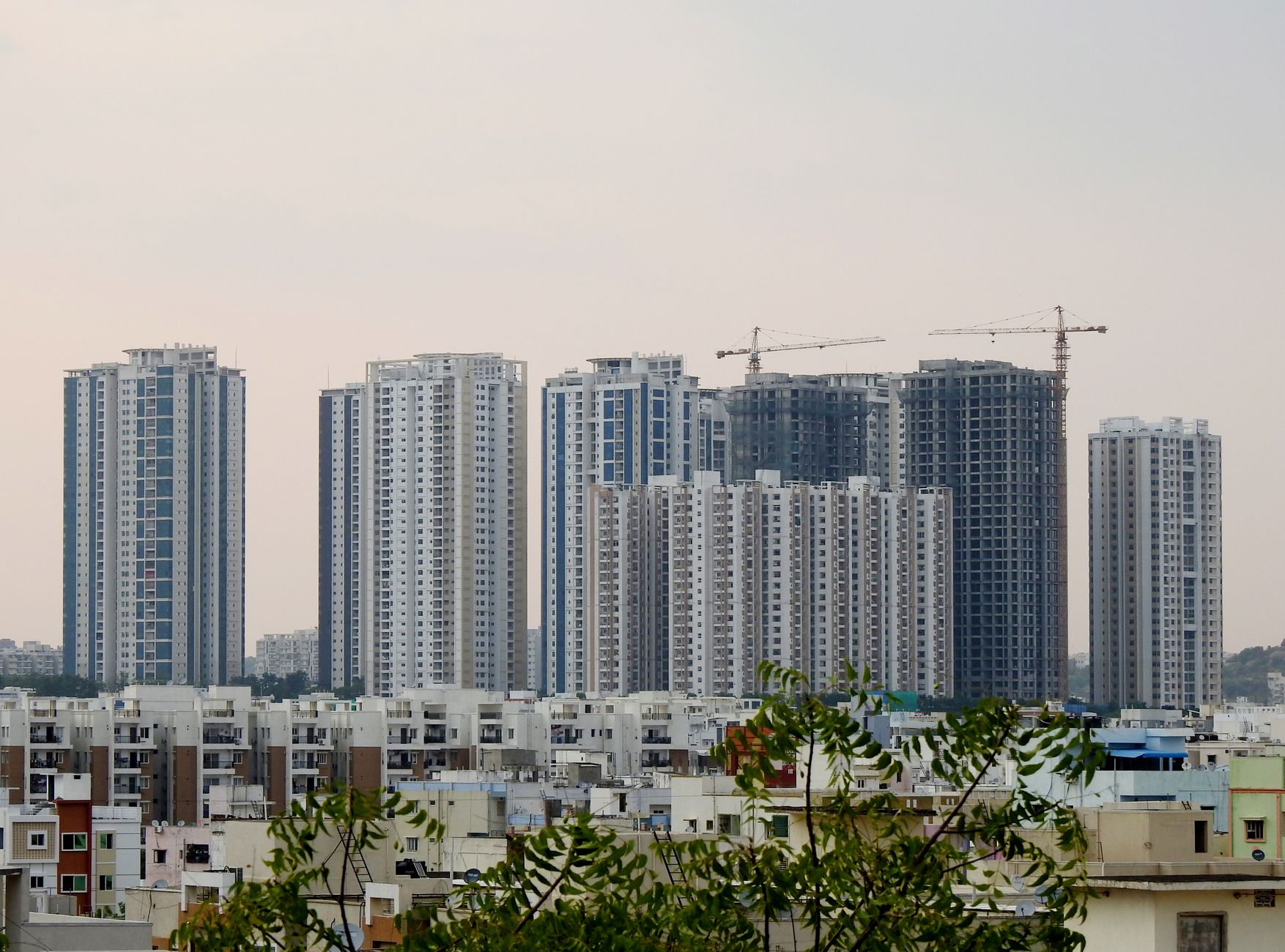
The Reserve Bank of India's latest data shows that India's residential property market continues its upward trajectory, with housing prices recording a 1.1% sequential increase in the first quarter of Financial Year 2027. This growth reflects sustained demand and regional variations in market dynamics, with Chandigarh and Lucknow leading the pack.
Understanding Sequential Housing Price Growth
Sequential growth refers to quarter-on-quarter changes, providing a snapshot of short-term market movements. A 1.1% increase in Q1 FY27 suggests steady momentum in the residential real estate sector. This growth comes amid evolving economic conditions, interest rate considerations, and changing buyer preferences across the country.
The residential real estate market has been recovering and stabilizing after various challenges in recent years. This consistent growth indicates buyer confidence and sustained developer activity across major markets.
Regional Winners: Chandigarh and Lucknow
Chandigarh and Lucknow emerging as top performers highlights the growing importance of Tier-2 cities in India's property landscape. Chandigarh, serving as the capital of Punjab and Haryana, benefits from planned urban infrastructure, high quality of life, and strong governance. The city attracts both end-users and investors looking for stable returns.
Lucknow, the capital of Uttar Pradesh, has witnessed significant infrastructure development, including metro connectivity and improved road networks. The city's affordability compared to metros, combined with growing employment opportunities in IT, healthcare, and education sectors, makes it increasingly attractive for homebuyers.
Factors Driving Housing Price Increases
Several interconnected factors contribute to the overall price rise:
- Strong economic fundamentals and improving employment conditions encouraging home purchases
- Infrastructure development projects enhancing connectivity and livability in emerging cities
- Limited inventory in prime locations creating supply constraints
- Rising construction costs including materials, labor, and land prices
- Developer preference for premium and mid-segment projects over affordable housing
- Urbanization trends with more people moving to cities for employment
- Improved housing finance availability despite interest rate fluctuations
Metro Cities vs. Tier-2 Markets
While Chandigarh and Lucknow lead gains, metro cities typically show different growth patterns. Major metros like Mumbai, Delhi, and Bangalore often have higher absolute prices but sometimes slower percentage growth due to already elevated valuations. Their markets are more mature with price discovery being more efficient.
Tier-2 cities often show sharper percentage increases as they are in earlier stages of development. These cities offer better affordability ratios, attracting first-time homebuyers and investors seeking higher appreciation potential. The price gap between metros and Tier-2 cities influences migration patterns and investment decisions.
Implications for Homebuyers
For prospective homebuyers, understanding these trends is crucial for decision-making. The 1.1% quarterly increase translates to approximately 4-5% annualized growth if sustained, which remains moderate compared to historical peaks but indicates a stable market.
First-time buyers should consider that gradual price increases may continue, making delayed purchases potentially costlier. However, this should be balanced against personal financial readiness, interest rate environment, and long-term affordability.
Investors evaluating rental yields and capital appreciation should analyze city-specific factors. Markets showing strong price growth like Chandigarh and Lucknow warrant deeper research into local demand-supply dynamics, infrastructure pipelines, and employment growth.
Market Outlook and Considerations
The moderate 1.1% growth suggests a balanced market without overheating. This is generally positive for sustainable growth, reducing risks of sharp corrections. The RBI's monitoring of housing prices forms part of its broader assessment of asset prices and financial stability.
Looking ahead, factors to watch include interest rate policies, employment trends, government housing schemes, and regulatory changes affecting real estate. Infrastructure investments under various government programs will continue influencing regional property markets.
Buyers should also consider upcoming supply, as new project launches can impact prices. Markets with limited new supply and strong demand will likely see continued price firmness, while oversupplied markets may experience slower growth or price corrections.
This article is for general informational purposes only and does not constitute financial or investment advice. Real estate investments involve significant financial commitment and risk. Readers should conduct thorough due diligence, assess their personal financial situation, and consult with qualified financial advisors and legal professionals before making any property purchase decisions.